Discover the booming trend of ancient winemaking with amphora and qvevri wines. Explore their rich history, unique flavors, and the best vineyards offering these exceptional, naturally-made wines. Learn where to buy authentic ancient-style wines and book immersive wine tours in 2026, embracing the future of wine through its storied past.
Time Travel in a Glass: The Explosive Comeback of Ancient Wine Methods (Amphora & Qvevri) – Your 2026 Guide to Buying & Booking Unforgettable Experiences!
ADVERTISEMENT
In the ever-evolving world of wine, a fascinating paradox is taking hold: the future of winemaking is increasingly rooted in its ancient past. As we navigate 2026, consumers and connoisseurs alike are turning away from conventional oak-aged wines in search of authenticity, purity, and a profound connection to terroir. This burgeoning movement has ignited an explosive revival of winemaking techniques that predate modern technology by millennia, most notably the use of amphorae and qvevri. These ancient clay vessels, once the standard for fermentation and aging, are no longer relics of history but cutting-edge tools for crafting wines of unparalleled character and expression. This article will guide you through the captivating history, unique profiles, and the very best options for experiencing and acquiring these extraordinary wines, ensuring your cellar and travel plans are ahead of the curve.
From the sun-drenched vineyards of Georgia, where qvevri have been buried for 8,000 years, to the innovative wineries of Tuscany and California embracing amphorae, this ancient revival is more than a trend; it's a testament to the enduring power of tradition and the relentless pursuit of vinous excellence. Prepare to uncork history and discover why these wines are defining the next generation of fine wine experiences.
The story of amphora and qvevri wines is deeply intertwined with the very origins of viticulture. These vessels represent humanity's earliest and most enduring methods of transforming grapes into the divine elixir we cherish today.
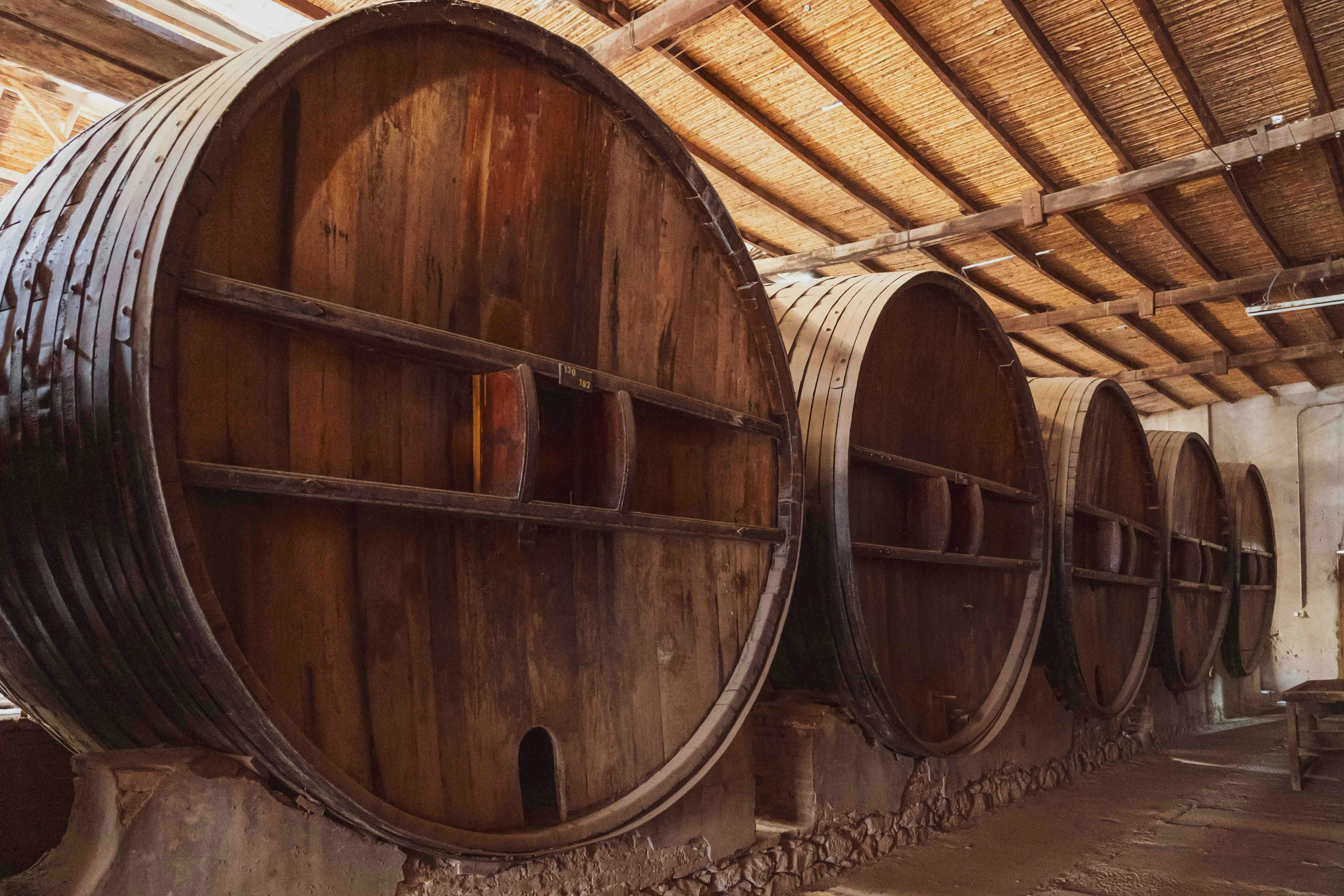
The term 'amphora' (from Greek meaning 'carried on both sides') refers to a ceramic jar with two handles and a narrow neck, widely used by ancient Greeks, Romans, and Phoenicians for storing and transporting liquids, including wine. For millennia, before the advent of wooden barrels, amphorae were the primary vessels for fermentation, aging, and shipping wine across vast empires. Their porous clay allowed for micro-oxygenation, a process similar to barrel aging but without the imparting of oak flavors, thereby preserving the pure expression of the grape and its terroir.
The modern revival of amphora winemaking began in earnest in the late 20th and early 21st centuries, driven by winemakers seeking to produce 'natural' wines – wines with minimal intervention, free from excessive oak influence, and reflective of their specific vineyard sites. Today, winemakers in regions like Friuli and Tuscany in Italy, the Douro in Portugal, and even parts of California and Australia are crafting exceptional wines in terracotta amphorae, ranging from crisp whites to structured reds, celebrated for their unique texture, minerality, and vibrant fruit purity.
Even more ancient and profound is the tradition of qvevri winemaking from Georgia. Dating back 8,000 years, qvevri are large, egg-shaped earthenware vessels, often lined with beeswax, which are buried underground to maintain a consistent temperature for fermentation and aging. This method is so integral to Georgian culture that UNESCO recognized the ancient traditional Georgian qvevri wine-making method as part of the Intangible Cultural Heritage of Humanity in 2013.
Qvevri wines, particularly the distinctive amber or 'orange' wines (white grapes fermented with prolonged skin contact), are renowned for their profound complexity, robust tannins, and unique aromatic profiles. The burial of the qvevri allows for natural temperature regulation, while the extended skin contact extracts not only color but also polyphenols, resulting in wines with remarkable structure, longevity, and a deep connection to the earth. While traditionally Georgian, the global natural wine movement has seen qvevri adopted by pioneering winemakers across Europe and the New World, eager to explore its transformative power.
ADVERTISEMENT
The resurgence of amphora and qvevri winemaking in 2026 is driven by several factors: a desire for natural wines with minimal additives, a yearning for authentic expressions of terroir, and a growing consumer appreciation for unique sensory experiences. These ancient methods align perfectly with modern sustainability practices and the demand for wines that tell a story – a story of history, tradition, and uncompromising purity.
“The return to clay isn't just a nostalgic nod to the past; it's a profound re-evaluation of what truly defines a great wine,” explains Dr. Elara Vance, a leading wine historian and Master Sommelier based in Bordeaux. “In 2026, consumers are more educated and discerning than ever. They’re seeking wines that speak of place, not of cellar technique. Amphorae and qvevri allow the grape and the soil to sing without the dominant voice of new oak.”
The sensory profiles of these wines are strikingly distinct. Amphora wines, due to their controlled micro-oxygenation, often present a pristine purity of fruit, vibrant acidity, and a unique textural richness without the overt vanilla or spice notes associated with barrels. They can be incredibly mineral-driven, offering a transparent window into the vineyard's geology.
Qvevri wines, particularly the orange wines, offer an entirely different, yet equally compelling, experience. “Imagine a white wine with the structure and complexity of a red,” Dr. Vance elaborates. “Extended skin contact imparts tannins, color, and a remarkable depth of flavor – notes of dried apricot, hazelnut, honey, and exotic spices are common. They demand attention and often pair beautifully with foods that would overwhelm lighter white wines.” This robust character also appeals to a growing segment of adventurous wine drinkers and foodies looking for novel pairings.
From a winemaking perspective, the challenges are significant. Working with clay requires a deep understanding of natural processes, meticulous vineyard management, and often, a higher degree of patience. However, the rewards are wines of extraordinary individuality and age-worthiness, commanding premium prices and capturing the imagination of a global audience.
The market for amphora and qvevri wines in 2026 is robust, appealing to natural wine enthusiasts, fine dining establishments, and collectors who prioritize authenticity and unique expression. This segment continues to grow, attracting millennials and Gen Z consumers who value sustainability, craftsmanship, and a compelling narrative behind their purchases.
Ready to embark on your own ancient wine journey? Whether you're looking to stock your cellar with exceptional bottles or book an immersive historical wine experience, here are some of the best options available in 2026:
ADVERTISEMENT
To help you choose, here's a comparison of top-tier options for buying and experiencing these ancient wines:
Looking ahead to the rest of 2026 and beyond, the ancient wine revival shows no signs of slowing. We anticipate several key trends:
The ancient revival is not merely a passing fad; it's a fundamental shift in how we perceive and produce wine, emphasizing purity, history, and the profound connection between grape and earth.
The journey back to the future of wine, through the ancient vessels of amphora and qvevri, offers a thrilling exploration for anyone passionate about what's in their glass. In 2026, these wines represent the pinnacle of authenticity, providing a unique sensory experience that transcends conventional winemaking. They are not just beverages; they are liquid history, bottled culture, and a testament to the timeless art of viticulture. Whether you choose to invest in a prized bottle, embark on an unforgettable wine tour to Georgia, or simply discover a new favorite amphora wine from your local retailer, embracing these ancient methods will enrich your understanding and appreciation of wine. Don't just drink wine – experience its extraordinary past and vibrant future. Cheers to unearthing history, one sip at a time!
About Michael Johnson
Editor and trend analyst at winemystiques.com.
ADVERTISEMENT
Related Articles